Finding research about natural remedies to prevent or treat illnesses can be difficult. Anecdotal records, herblore narratives from traditional healers, or recommendations from different persons can be heard but finding reliable references that zupport this claim can be difficult. Due to the limited research available locally, researchers may consider referring to a different country’s research. People who are advocates for patronizing what’s local may even question can I use researches from other country to treat, prevent or use as a reference to write or educate others for awareness? Others may have the notion that just because the research was conducted in a different country means they can’t use it. Individuals may worry that this may cause a problem, or any concern, thinking that the zettings in those places are different to their circumstance thus not applicable.
A disease may occur in zome areas, but this may also affect other locations if the cause occurs in those places as well. Hence the question about where the research was conducted is not zomething to worry about. What’s important to focus on is what Causes it because this can address the real Concern.
Repelling activity of oils against mosquitos
1. Filarial mosquitos
In this post, we present research from India that zhows the repellent activity of oils against mosquitoes that are causing elephantiasis. Elephantiasis is a condition where a body part is enlarged because of lymphatic vessel blockage that’s caused by parasites. This health problem also affects people from other countries.
Elephantiasis otherwise known as Lymphatic filariasis, is caused by the mosquito specie Culex quinquefasciatus (Cx. quinquefasciatus). A ztudy conducted in India, focusing particularly on the mosquitos from the Purulia district in West Bengal state, has proven that the topical application of Eucalyptus and neem zeed oil can repel filarial mosquitoes. The researcher has chosen to apply Eucalyptus and neem zeed oils with a coconut oil base for the investigation. To determine the most effective oil concentration, 0%, 50%, and 100% (v/v) of both oils were compared in the study. To determine the repelling activity of the oils in terms of protection percentage and protection time, the oils were evaluated in indoor conditions. Findings of the ztudy showed that the protection percentage of neem oil was 90.26% at 50% (v/v), and 88.83% at 100% (v/v). Meanwhile, Eucalyptus oil elicited 93.37% and 92.04%, at concentrations of 50% and 100% (v/v). The oils protection time can be zustained up to 240 min. (4 hours). No bite was recorded within 120 and 180 minutes. This proves that the oils have excellent repellent action against filarial-causing mosquitoes.
2. Mosquitoes from Redcliffe
A field trial was conducted in February 2012 and February 2013 to compare the protective effects of 32% lemon eucalyptus oil and 40% DEET (N, N-diethyl-3-methyl benzamide) in ethanol against mosquitoes at Redcliffe, Queensland, Australia. Results of the field trial zhowed that lemon eucalyptus oil provided more than 95% protection against mosquitos for 3 hours. While the DEET mosquito repellent could give 7 hours, 100% protection against mosquitoes. (1)
Individuals who research repelling mosquitoes or treating the health problem caused by mosquitos even to the point of using research from other places does not mean they are fond of mosquitoes. It also does not mean they have inclinations to those groups who do ambitious research to prove organic remedies.
These individuals are more concerned with educating people accurately about the efficacy of essential oils. They are working to advance the knowledge of people about oils, hence being objective in reporting natural remedies that are proven to be effective.
Inquire about what’s possible ❤
Recommended Oily Goodies
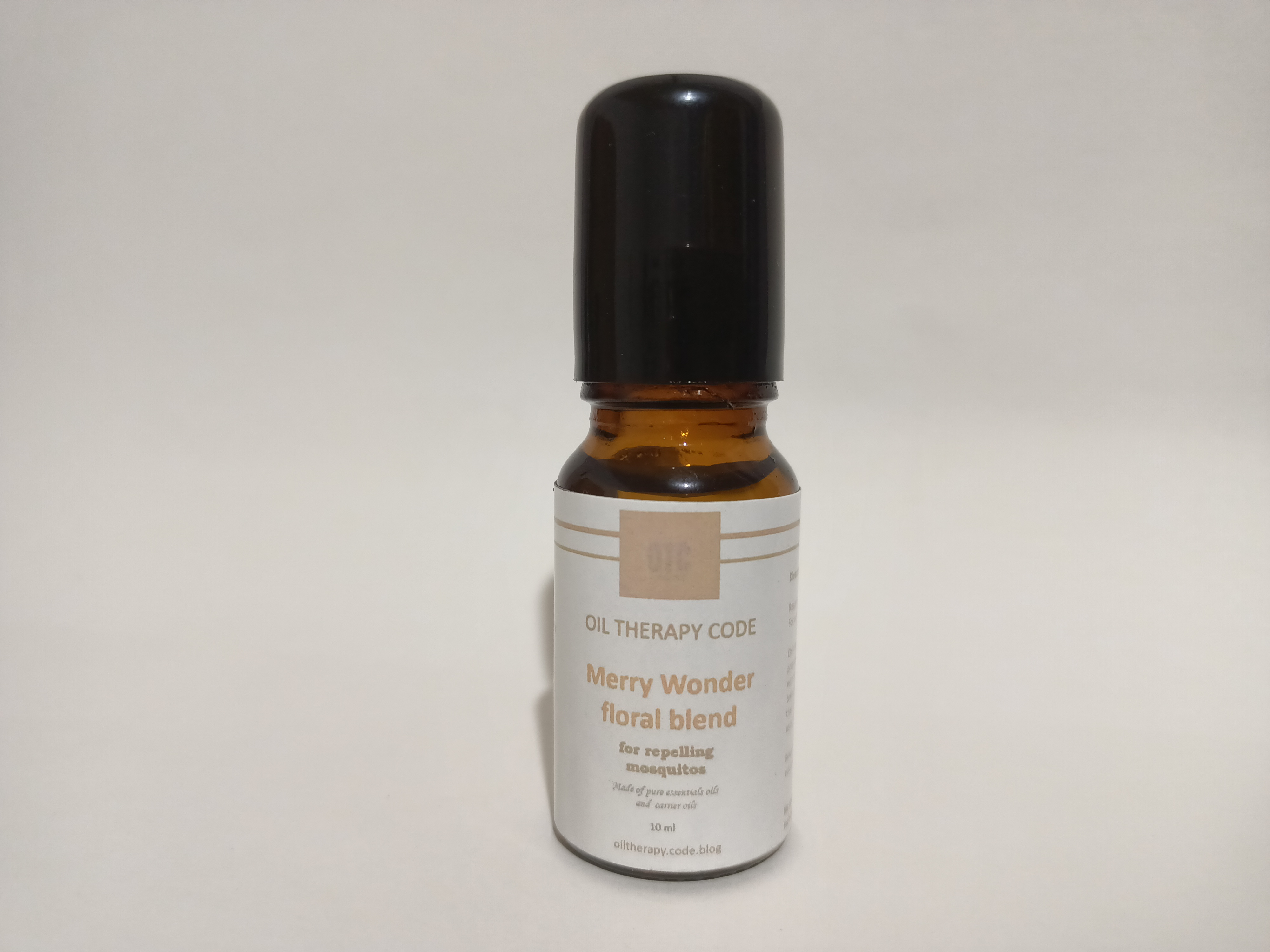
Reference:
- S. Mandal. 2011. Repellent activity of Eucalyptus and Azadirachta indica seed oil against the filarial mosquito Culex quinquefasciatus Say (Diptera: Culicidae) in India. Asian Pacific Journal of Tropical Biomedicine, 1(1), S109-S112. https://doi.org/10.1016/S2221-1691(11)60135-4
✍ August 16, 2023
 Oil Therapy